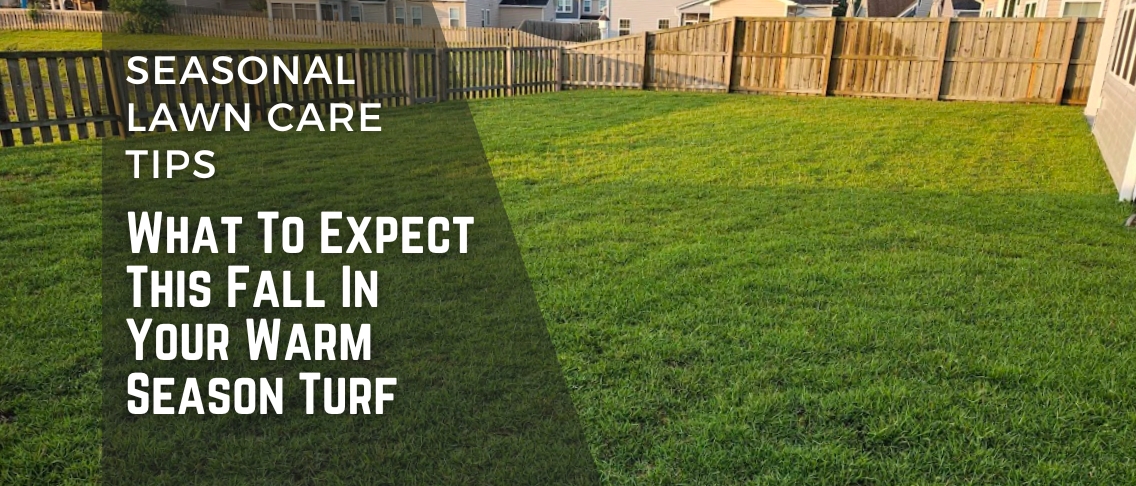

What To Expect This Fall In Your Warm Season Turf: Seasonal Lawn Care Tips
Seasonal lawn care is essential to keep your turf healthy as it transitions into the cooler months.
As fall approaches, it’s crucial to understand how seasonal changes affect your lawn. Whether you’re dealing with slowed grass growth, color changes, or increased weed pressure, knowing what to expect in your turf this fall will help you manage it like a pro. Proper seasonal lawn care ensures your yard remains healthy throughout the colder months and comes back stronger in the spring. Here’s what you need to know to keep your lawn in peak condition as the seasons change.
https://www.youtube.com/watch?v=lt9fJYrn8RM&t=136s
|
Fall Turf Condition |
What Happens |
How to Manage It |
|
Slowed Growth |
Growth slows when soil temps drop below 65°F and stops below 55°F |
Monitor soil temps, expect dormancy as grass turns brown |
|
Turf Color Change |
Grass loses its green color, turning yellow or brown |
Focus on prepping for winter rather than maintaining color |
|
Increased Weed Pressure |
Winter weeds like annual bluegrass begin to germinate |
Apply pre- and post-emergent herbicides; split applications 40 days apart |
|
Large Patch Disease |
Disease thrives in cool, wet conditions during fall |
Apply preventative fungicides; inspect for signs of disease |
|
Pest Damage |
Fall pests like armyworms and mole crickets can damage turf |
Use targeted insecticides; monitor for pest activity |
|
Reduced Watering Needs |
Grass needs less water as growth slows |
Water 1 to 1.5 inches weekly, including rainfall; avoid over-watering |
|
Preparing for Dormancy |
Grass enters dormancy and needs to be strengthened for winter survival |
Apply potassium-rich fertilizer in fall to promote root growth and stress tolerance |
Fall Slowed Growth: Understanding Warm Season Turf Changes
As fall temperatures drop, warm-season grasses slow their growth.
- Optimal growth: Soil temperatures between 70°F – 90°F.
- Slowed growth: Soil temperatures fall below 65°F.
- Dormancy: Growth stops entirely below 55°F, and grass turns brown.
- Plan ahead: Check soil temperatures to stay prepared.
Dormancy is a natural part of lawn care services, helping your grass conserve energy for winter.
Fall Warm Season Turf Color Change: From Green to Brown
As warm-season grasses enter dormancy, expect a change in color.
- Turf appearance: Grass takes on a yellow or brown tint.
- What to focus on: Instead of keeping it green, focus on prepping your lawn for winter.
Even though the color fades, proper lawn and landscape maintenance ensures your turf comes back strong in the spring.
Increased Weed Pressure: Preventing Winter Weeds
Fall brings increased weed pressure as your turf slows down. Common winter weeds like annual bluegrass (Poa annua) thrive in this environment.
To combat weeds:
- Apply pre-emergent herbicide in early fall.
- Follow up with a post-emergent treatment.
- Use split applications about 40 days apart for maximum control.
These steps are essential for effective weed control services to prevent winter and spring weed outbreaks.
Large Patch Disease: How to Protect Your Lawn
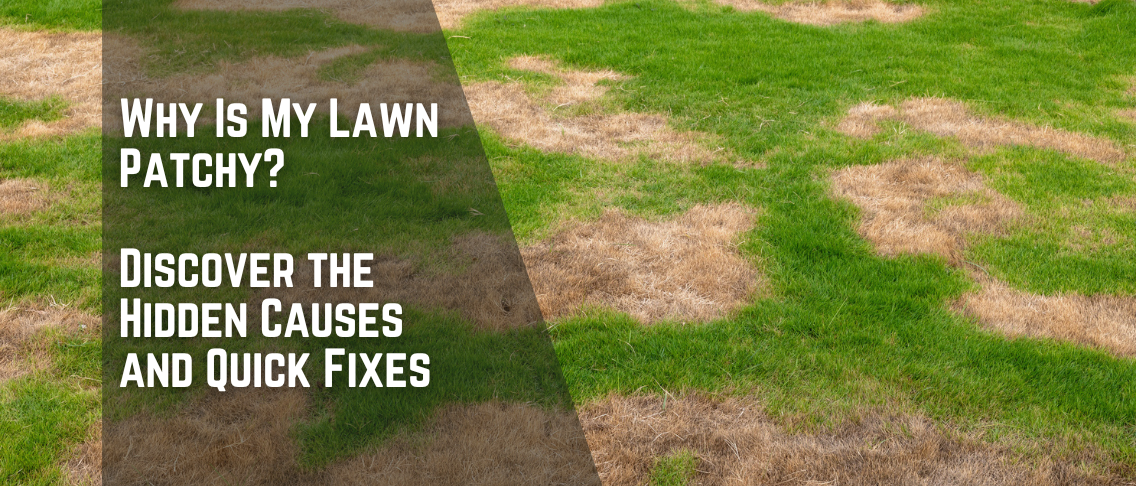
Large patch disease affects warm-season grasses, especially during fall. Though it starts in the fall, the damage often isn’t noticeable until spring.
Prevention tips:
- Apply preventative fungicides in fall.
- Inspect for early signs of disease.
- Ensure proper watering practices to avoid wet conditions.
Being proactive with lawn treatment can minimize damage from large patch disease.
Pest Damage: Fall Insects to Watch Out For
Several pests can harm your turf during the fall months.
Watch out for:
- Fall armyworms: These pests feed on grass, leaving bare patches.
- Mole crickets: They tunnel through your lawn, damaging roots.
Control measures:
- Apply targeted insecticides to prevent or control pest damage.
- Regularly inspect your lawn for signs of pest activity.
For expert pest control, check out our lawn pest control services in Wilmington, Leland & Hampstead, NC. Our services include mole cricket control, which can protect your lawn from these destructive insects.
Reduced Watering Needs: Adjusting Your Irrigation
As grass growth slows, so do its water needs. Over-watering during the fall can lead to issues like disease, so adjust your irrigation accordingly.
Watering guidelines:
- Your turf needs 1 to 1.5 inches of water per week, including rainfall.
- Rainfall averages provide about 0.5 to 1 inch weekly.
- Supplement with only about 0.5 inches of irrigation.
By aligning your watering with your turf’s reduced needs, you’ll avoid over-watering and help your lawn stay healthy through fall.
Preparing for Dormancy: Fall Fertilization
Fall fertilization is crucial for helping your grass survive winter and come back strong in the spring.
Key steps:
- Use a fertilizer with higher potassium content to strengthen grass.
- Apply the fertilizer in early fall to promote root growth.
- Strengthen your turf’s resilience against winter stress.
For professional fertilization help, explore our fertilization services, which are designed to keep your lawn strong throughout the winter months.
Conclusion: Expert Fall Lawn Care for Healthy Turf
By understanding what to expect in your turf this fall, you can make informed decisions about its care. Addressing issues like slowed growth, turf color changes, weed pressure, disease, and pests will ensure your lawn stays in top shape through fall and into winter.
To recap:
- Manage growth by understanding soil temperatures.
- Combat color changes by focusing on winter prep.
- Prevent weeds with split herbicide applications.
- Protect against large patch disease with fungicide treatments.
- Reduce pest damage with insect control.
- Adjust your watering to 1 to 1.5 inches per week.
- Strengthen your turf with fall fertilization.
By taking these proactive steps, your seasonal lawn care efforts will pay off with a healthy, beautiful lawn next spring. If you need professional help, explore our lawn mowing services and other lawn care services to keep your turf in perfect shape all year round.